Ayurveda for Beginners: Why Traditional Wisdom Still Matters in the Age of AI
We are living in an era of artificial intelligence. Almost every field is being supported by AI, and healthcare is no exception. Advanced technologies are now assisting in diagnosis, clinical research, surgical procedures, imaging, data analysis, and remote patient monitoring.
These developments are immensely valuable, but health is fundamentally not only about technology.
Human wellbeing encompasses physical balance, mental calmness, good digestion, restful sleep, emotional stability, and a profound sense of inner harmony. Even amidst unprecedented comfort, convenience, and sophisticated medical technology, people across the world continue to experience lifestyle disorders, chronic ailments, high stress, disturbed sleep, digestive problems, and metabolic imbalances.
This is where an integrated approach to healthcare becomes indispensable.
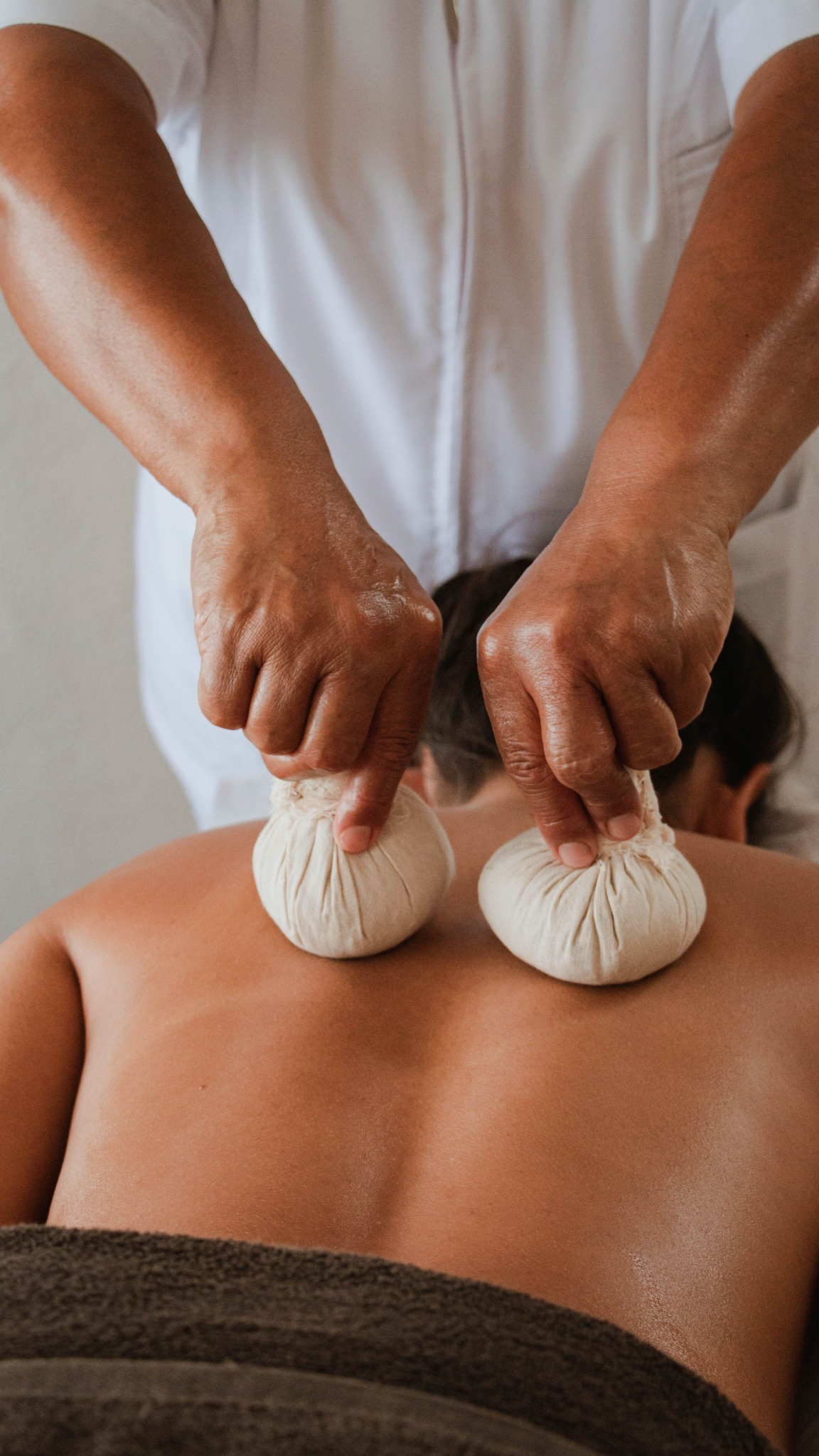
Traditional systems of medicine such as Ayurveda offer a distinct and grounding perspective. Practiced for more than two thousand years, Ayurveda focuses not merely on symptom suppression, but on preserving vitality and preventing imbalance through nourishing food, tailored lifestyle, daily circadian routines (Dinacharya), seasonal regimens (Ritucharya), classical medicines, and therapeutic purification procedures.
Understanding Ayurveda in a Simple Way
Classical Ayurvedic clinical science can be understood through three foundational pillars traditionally described as Hetu, Lakṣaṇa, and Cikitsā (the Trisūtra of Ayurveda):
1. Hetu
The Root Cause: The causative and contributing factors responsible for disease, whether dietary, environmental, behavioral, or psychological.
2. Lakṣaṇa
The Manifestation: The subtle signs, symptoms, and body signals through which an internal imbalance becomes evident.
3. Cikitsā
Therapeutic Management: The personalized, systematic treatment plan designed to restore equilibrium from within.
Thus, Ayurveda does not rush to treat the label of a disease. It first understands why a disturbance has developed, precisely observes how it is manifesting in that unique individual, and finally formulates how it should be managed sustainably.
Where Does Panchakarma Fit In?
Ayurvedic treatment is far richer than just taking herbal remedies. Depending on the individual’s unique constitution (Prakriti), the nature of the condition, physical strength, age, season, digestive capacity (Agni), and clinical history, Ayurveda recommends two broad therapeutic streams:
- Śamana Therapies: Gentle palliative treatments aimed at pacifying mild disturbances and restoring functional balance through diet, lifestyle, and supportive formulations.
- Śodhana Therapies: Deep therapeutic purification procedures designed to eliminate accumulated toxins (Ama) and metabolic waste when imbalances are deeply rooted.
Panchakarma is the classical cornerstone of Śodhana therapy in Ayurveda. The five primary therapeutic modalities include:
- Vamana: Therapeutic emesis administered in carefully selected individuals under strict clinical protocol.
- Virechana: Medicated purgation therapy targeting Pitta and liver/digestive pathways.
- Basti: Medicated herbal decoction and oil enemas, considered the most potent therapy for Vata-related conditions and nervous system health.
- Nasya: Systematic administration of herbal oils and extracts through the nasal passages for head, sinus, and cognitive wellbeing.
- Raktamokṣaṇa: Therapeutic blood purification applied in specific metabolic and skin conditions.
These are neither casual home remedies nor commercial "weekend detox" packages. Each procedure demands thorough clinical assessment, pre-purification preparation (Purvakarma including Snehana and Svedana), qualified medical supervision, and meticulous post-procedure dietary care (Samsarjana Krama).
Is Panchakarma Only for Disease?
Panchakarma has traditionally been employed across diverse clinical situations: for managing chronic diseases as well as for preventive health, seasonal rejuvenation, and longevity.
However, the same Panchakarma procedure is never suitable for everyone. A healthy person seeking seasonal rejuvenation requires a completely different regimen from someone living with a longstanding metabolic or autoimmune illness. Similarly, patients who seek Ayurveda after years of multi-drug regimens or advanced pathology require careful, conservative evaluation.
"The aim should never be to undergo Panchakarma simply because it is popular, but to select the right therapy for the right person at the right time."
Ayurveda in the Modern World
Modern medicine, diagnostics, and technological advances continue to make remarkable strides. Ayurveda does not seek to compete with or dismiss these developments.
Rather, responsible 21st-century healthcare thrives on integrative understanding: utilizing modern diagnostics, emergency interventions, and advanced technologies where they are unmatched, while preserving the unmatched wisdom of lifestyle medicine, circadian rhythm alignment, digestion-centric nutrition, and personalized traditional therapeutics.
For someone completely new to Ayurveda, the journey does not begin with complicated herbal regimens or intensive Panchakarma packages. It begins with simple, attentive awareness: understanding your body, your daily habits, your digestive fire, your sleep quality, and your individual health constitution.
"Ayurveda starts with the individual."
RIDDHI Ayurveda Clinic, Rajkot • Traditional wisdom. Thoughtful interpretation. Individualised care.
This article is for educational purposes and does not replace individual medical consultation.
About the Physicians
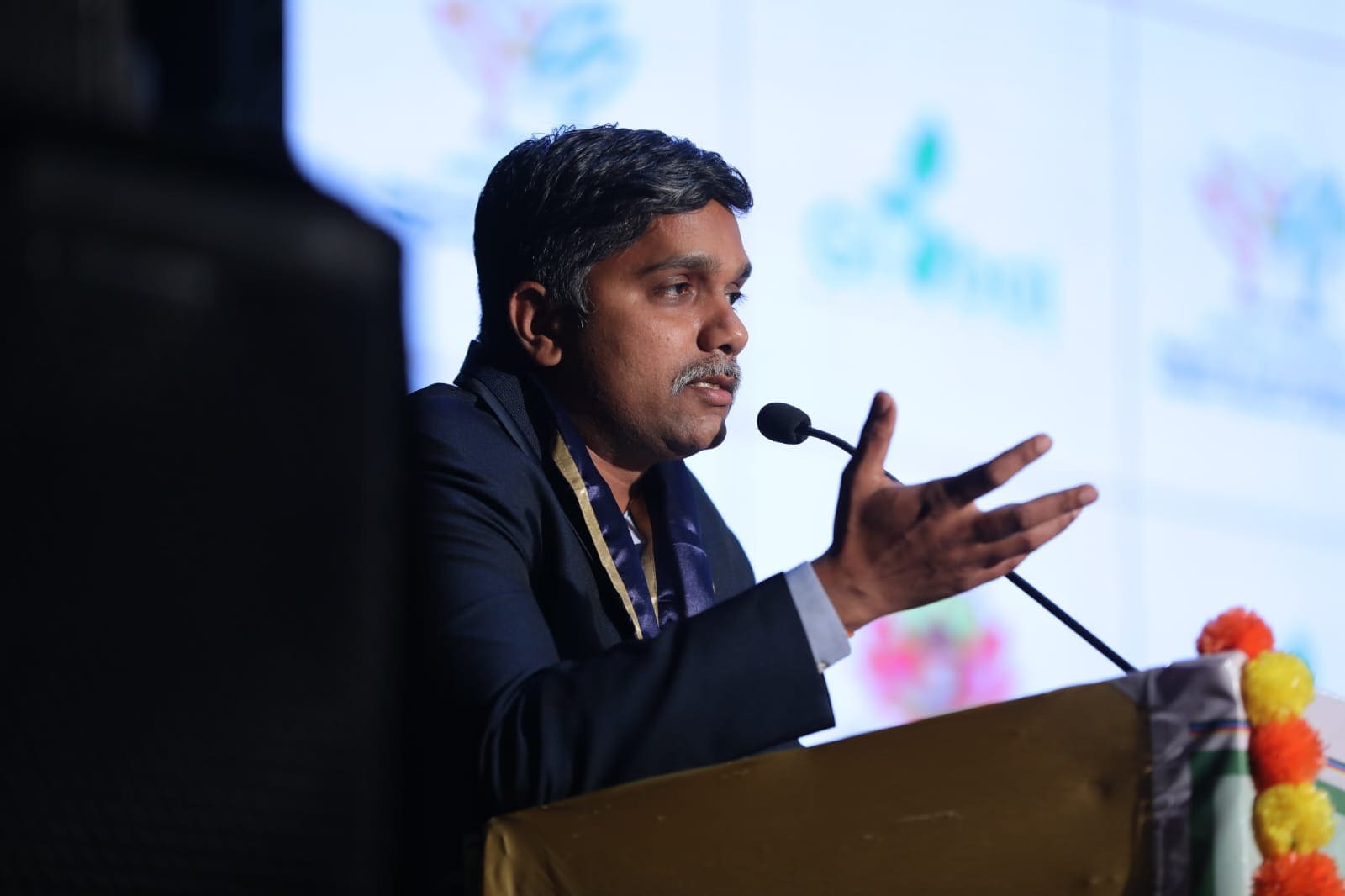
Dr. Vijay Telang
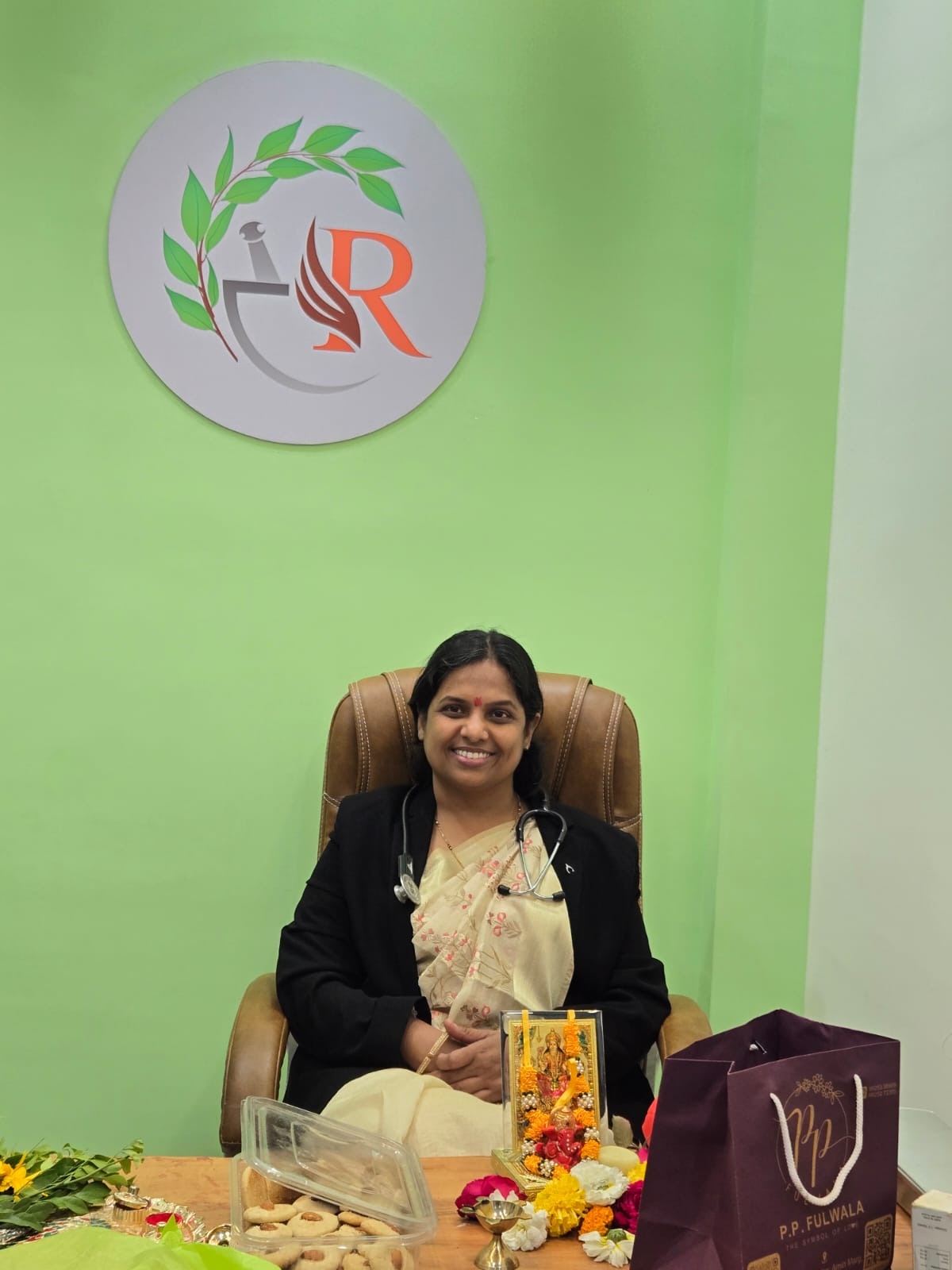
Dr. Minakshee Vijay Telang
Begin Your Personal Health Journey
Consultations at RIDDHI Ayurveda Clinic begin with comprehensive pulse diagnosis (Nadi Pariksha) and constitutional assessment. Connect directly with our clinical team in Rajkot.
RIDDHI Ayurveda Clinic • Shop No. 206, Atulyam Prime, Morbi Bypass Road, Ronki, Rajkot
Mon–Sat: 6:30 PM–8:30 PM • Helpline: +91 90575 52143 / +91 87932 19610